
Why Does Acidity Get Worse at Night?
- jain hospital

- May 30
- 3 min read

Many people notice that their digestive discomfort becomes more intense after sunset. If you frequently experience acidity at night, you're not alone. Nighttime symptoms can disrupt sleep, affect daily productivity, and reduce overall quality of life. Understanding why this happens is the first step toward finding lasting relief. With over 14 years of experience in gastroenterology, Dr. Siddharth Jain helps patients identify the root cause of recurring acidity and develop effective treatment plans tailored to their needs.
Why Is Acidity More Common at Night?
During the day, gravity naturally helps keep stomach contents where they belong. However, when you lie down to sleep, stomach acid can more easily move upward into the esophagus. This can lead to acid reflux at night, causing discomfort that may wake you up or prevent restful sleep. In addition, late-night eating habits, heavy meals, stress, and certain lifestyle factors can contribute to nighttime acidity.
Common Causes of Acidity at Night
1. Eating Too Close to Bedtime
Lying down shortly after a meal can increase the likelihood of acid moving back into the esophagus.
2. Heavy or Spicy Dinners
Foods high in fat, spice, or acidity can trigger digestive discomfort and worsen symptoms during the night.
3. Overeating
Large meals put additional pressure on the stomach, increasing the risk of nighttime acid reflux.
4. Obesity and Excess Weight
Increased abdominal pressure can promote acid reflux, particularly when lying down.
5. Gastroesophageal Reflux Disease (GERD)
Persistent reflux may indicate GERD. Many patients experience worsening GERD symptoms at night, including heartburn, regurgitation, and throat irritation.
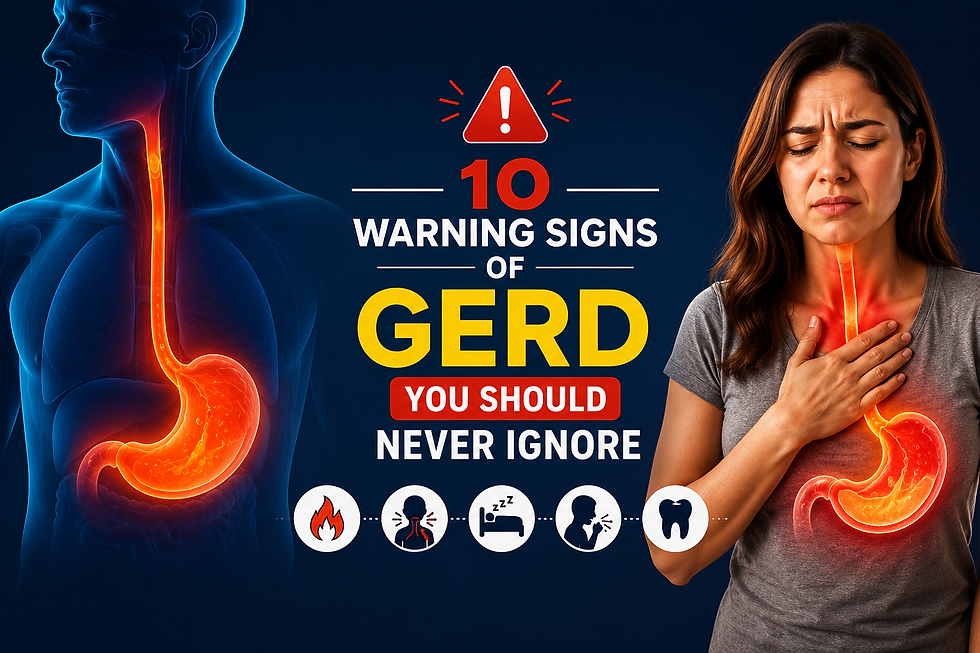
Symptoms You Should Not Ignore
While occasional acidity may not be a cause for concern, persistent symptoms deserve medical attention.
Common warning signs include:
● Burning sensation in the chest
● Sour taste in the mouth
● Difficulty sleeping due to reflux
● Frequent burping
● Morning throat irritation
● Chronic cough or hoarseness
● Difficulty swallowing
If these symptoms occur regularly, professional evaluation is recommended
How to Prevent Acidity at Night?
Fortunately, simple lifestyle changes can significantly reduce symptoms.
Avoid Late-Night Meals
Try to finish dinner at least 2–3 hours before bedtime.
Elevate Your Head While Sleeping
Keeping your upper body slightly elevated can help prevent acid from flowing upward.
Choose Lighter Evening Meals
Opt for smaller portions and avoid foods known to trigger reflux.
Maintain a Healthy Weight
Weight management can reduce abdominal pressure and improve digestive health.
Limit Trigger Foods
Spicy foods, fried items, caffeine, carbonated drinks, and excessive chocolate may worsen symptoms in some individuals. These strategies can be effective for many people wondering how to prevent acidity at night.
When Should You See a Gastroenterologist?
Occasional acidity is common, but frequent symptoms should not be ignored. If you experience reflux multiple times per week, persistent heartburn, swallowing difficulties, or sleep disturbances, it may indicate an underlying digestive condition requiring treatment. Early diagnosis can help prevent complications and improve long-term digestive health.
Expert Care with Dr. Siddharth Jain
Dr. Siddharth Jain brings over 14 years of experience in diagnosing and managing acid reflux, GERD, and other digestive disorders. Through comprehensive evaluation and personalized treatment plans, he helps patients achieve lasting relief and better quality of life
Book Your Consultation Today
If acidity at night is affecting your sleep or daily routine, don't wait for symptoms to worsen. Consult Dr. Siddharth Jain for expert diagnosis and effective treatment. Schedule your appointment today and take the first step toward healthier digestion.
Frequently Asked Questions
1. Why does acidity get worse at night?
Acidity often worsens at night because lying down makes it easier for stomach acid to flow back into the esophagus.
2. Is nighttime acidity a sign of GERD?
Frequent nighttime acidity may indicate GERD, especially if symptoms occur multiple times each week.
3. What foods can trigger acid reflux at night?
Spicy foods, fried foods, caffeine, chocolate, citrus fruits, and large meals are common triggers.
4. How can I stop acid reflux while sleeping?
Avoid eating before bedtime, elevate your head while sleeping, and follow dietary recommendations from your doctor.
5. When should I seek medical help for nighttime acid reflux?
You should consult a gastroenterologist if symptoms are persistent, interfere with sleep, or occur several times per week.


Comments